
/ Material. Climate. Proof.
A door or window that holds its shape for decades
UPVC does not warp under monsoon humidity, does not crack through Indian summers, and never needs repainting. Its performance record in real homes is the only argument that matters.
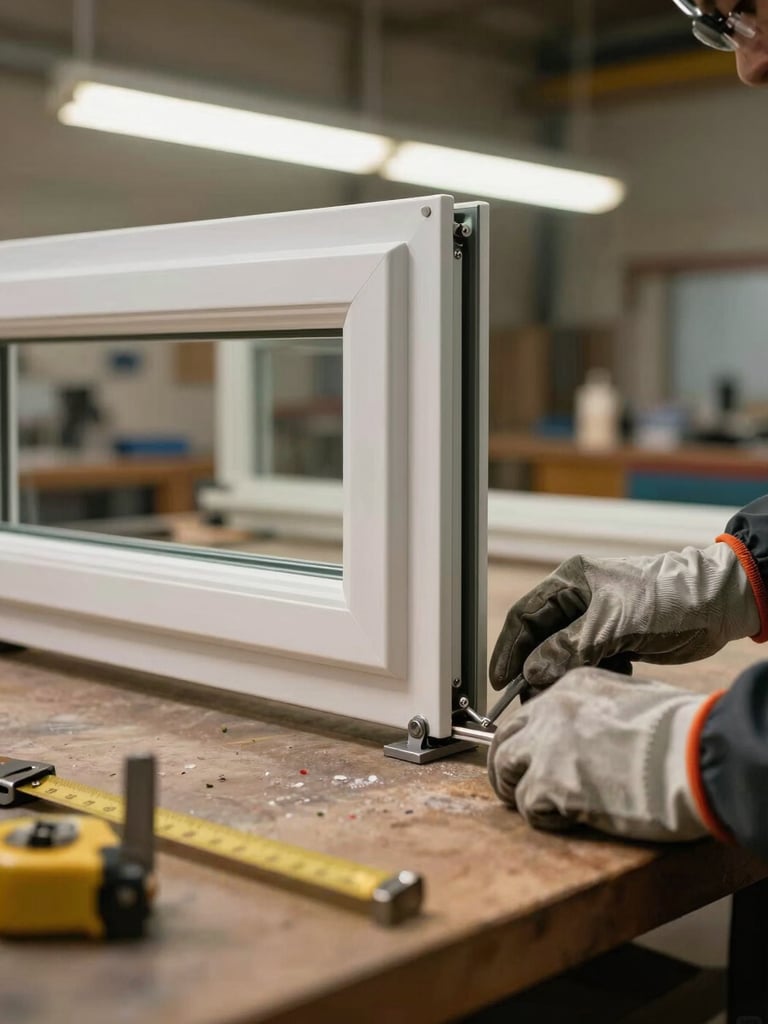
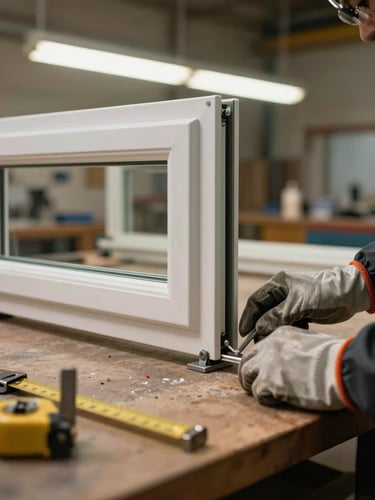
— Built into the frame
The strength is structural, not cosmetic
Multi-chamber profile construction traps dead air inside the frame, resisting heat transfer and structural flex. You can see it in the shadow line along any Techplast frame — that geometry is what keeps the window square after fifteen monsoons.
Wood swells and splits. Steel corrodes behind paint. UPVC profiles hold their geometry because the material itself does not react to moisture or temperature the way timber and metal do.
• Indian climate-tested
Three conditions. One consistent answer.
Monsoon humidity
Summer heat
Coastal salt air
UPVC does not absorb moisture. Frames stay dimensionally stable through coastal and high-rainfall conditions where timber joints open and steel frames rust from the inside.
Multi-chamber profiles reduce heat transfer into the room. The frame surface does not degrade or discolour under prolonged UV exposure — no repainting cycle, no surface treatment required.
Salt-laden air corrodes steel and accelerates timber rot within a few years. UPVC is chemically inert — installations within metres of the sea show the same surface after a decade.
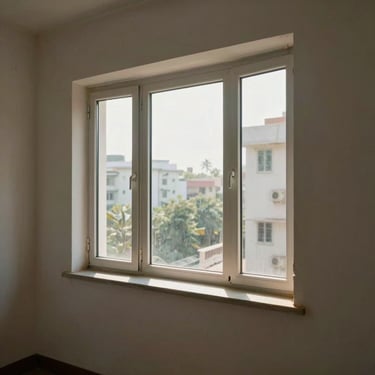
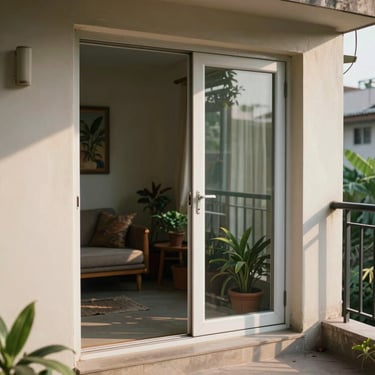
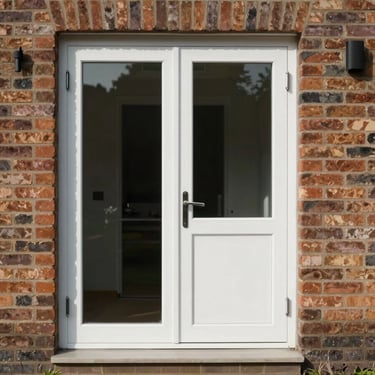
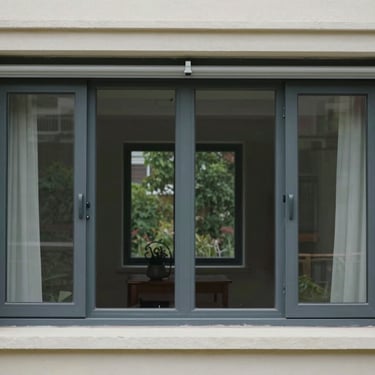
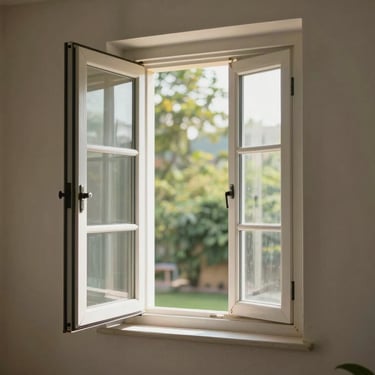
FIVE TO TWENTY YEARS IN
What UPVC looks like after real use
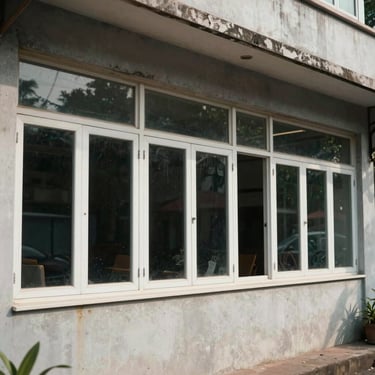
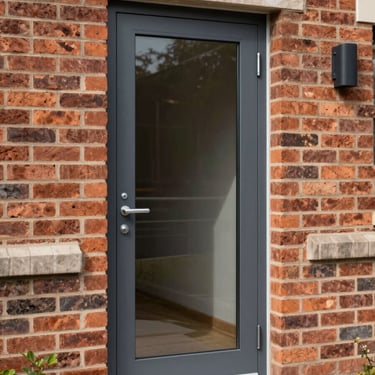
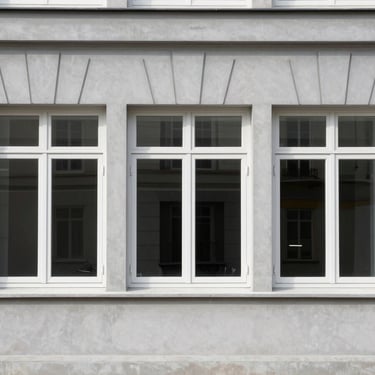
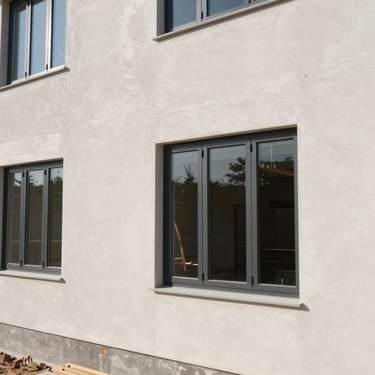
These are Techplast-profile installations photographed in actual homes and commercial buildings across India — not staged, not retouched. The frames are standing, the seals are holding.
Now see the full range of doors and windows
Every UPVC door and window type Techplast profiles support — casement, sliding, tilt-and-turn, French, louvre, and more — with real installation images so you can match a style to your home.